
An Investment PieceThat Pays Off: The Row Bags
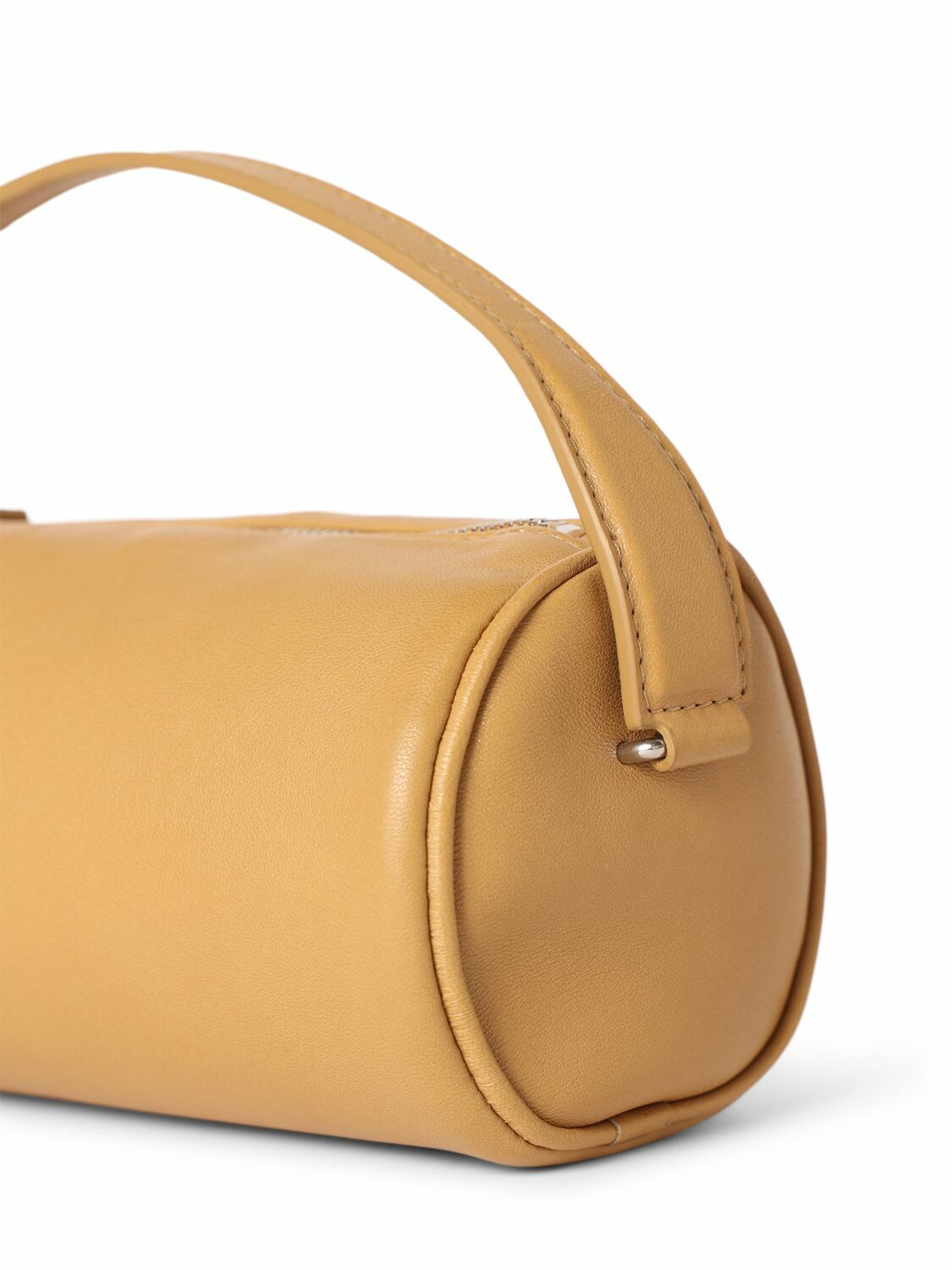
The Row has built its name through restraint. Founded by Mary-Kate and Ashley Olsen, this label has spent close to twenty years refining a select few silhouettes, while most of the style world chases passing fads. Because of that approach, The Row bags come across like contemporary heirlooms more than ordinary accessories. Customers researching the row soon realize that this is not a brand built for impulse purchases. Rather, it’s designed for those who want one exceptional object that outlives fashion cycles completely.
Understanding why these pieces command such loyalty requires looking past the price tags and into the construction, material sourcing, and design philosophy that sets row handbags apart from nearly everything else on the market. This article breaks down what makes them worth the wait, which styles matter most, and where you can actually find them.
What Explains why The Row Handbags Generate Such Fierce Allegiance
Each piece found in the now-live the row bags overview shares a few recurring traits: pared-back hardware, softly structured silhouettes, and leather that’s been selected and cured with an unusual level of care. Ornamentation is famously kept to a minimum by the brand — no visible logos, no overt brand signals, no of-the-moment tricks. Collectors, editors, and stylists favoring lasting value over brand visibility have come to favor row bags owing to this design language.
Limited availability is part of its allure. The Row produces far smaller quantities than most luxury houses, and certain styles sell out within days of restocking. Rather than manufactured hype, the reality is truly restricted manufacturing batches tied to specialized ateliers in Italy. For the most coveted silhouettes, especially among neutrals such as ecru, black, and taupe, buyers frequently report waitlists of several months.
Also worth weighing is the secondary market here. A number of top-tier bags https://therowbags.net/ from the line — such as the earlier Margaux as well as Sideby designs — have demonstrated robust resale strength relative to other designer handbags, with a handful of styles reselling at or above the original retail price inside that first twelve months. Such results are uncommon and point to real demand, not mere speculative buzz.
Margaux, Sideby, and the Tote:? the Hero Pieces
The Margaux is arguably the brand’s most iconic silhouette, admired for its relaxed shape and the way it molds to the form of an everyday routine. Shoppers can choose from several sizes, meaning it can double as both a everyday crossbody-adjacent carryall and a more compact evening option depending on the specific style chosen. Shoppers frequently ask where to buy the row margaux bag, since availability shifts constantly between the label’s own online store and a small number of authorized luxury retailers.
The Sideby style embraces a more structured silhouette with a top handle and optional strap, making it versatile for daytime meetings as well as evening outings. Meanwhile, the row tote bag has solidified its place as the brand’s workhorse piece — spacious, unlined in some versions to keep weight down, and detailed with the same low-key hardware seen throughout the range. Because it earns its keep day to day, it tends to be the first purchase for newcomers to the brand, more so than something designed for evening wear.
These three pieces — Margaux, Sideby, and the tote — stands for a different use case, but each of them share the brand’s central focus on restrained logos and top-tier leather craftsmanship. Buyers comparing row bags overview content across multiple sites will notice these three names recur constantly, and for good reason: they’re the pieces most likely to be discussed in resale forums, styling guides, and best-of roundups for 2026.
Weighing The Row’s Essential Bag Silhouettes
| Silhouette | Ideal Use | Shape | Typical Use Case |
|---|---|---|---|
| Margaux | Everyday adaptability | Relaxed, unstructured | Work-to-weekend carry |
| Sideby | Refined, dressier moments | Structured, top handle | Suited to both work and evening wear |
| Tote | Maximum capacity | Open, spacious | Everyday errands and trips |
This overview is far from complete — The Row produces smaller collections like the Ascot and the Wander that exist apart from these three core groups — but for buyers trying to settle on an initial choice, these three categories account for most of use cases people search for when exploring the row handbags as a category.
How Row Sale Events and Resale Actually Work
Unlike brands that discount aggressively at the end of each season, a genuine row sale is rare. The Row occasionally offers markdowns through certain department stores rather than its own site, and even then, the most popular sizes and colors are gone before discounts get broadly publicized. Buyers wanting to catch a row sale should track official retailers themselves instead of trusting discount aggregator sites, since the chance of fakes rises sharply whenever “sale” and “designer handbag” appear in the same search.
Resale platforms have emerged as the sounder option for value-conscious buyers. Sites specializing in authenticated luxury resale regularly feature well-kept Margaux and Sideby styles at 15–30% below original retail, based on the item’s condition and how rare its color is. Neutral colorways tend to hold value best, while scarce seasonal shades can even command a premium on resale if the style was especially popular that year.
It’s worth noting that The Row infrequently joins traditional seasonal sales the way mass-market luxury brands do. This deliberately scarcity-based approach to pricing is by design — it strengthens both the impression and the fact that these are pieces intended to last rather than be rotated out of a wardrobe.
Where The Row Design Ethos Fits Into 2026 Wardrobes
Looking ahead to 2026, the wider row fashion aesthetic — quiet luxury, tonal dressing, minimal branding — has gained even more significance. Since many consumers are turning away from logo-heavy accessories, the appeal of a bag that conveys craftsmanship instead of status has risen notably. This movement has brought row bags further into mainstream discussion, despite the brand sticking to its understated, low-marketing stance.
Stylists have also noted that The Row’s neutral palette pairs seamlessly with the tailored, monochrome wardrobes trending across both ready-to-wear and street style coverage this year. A single Margaux or tote can anchor multiple outfits across seasons without ever feeling dated, which is precisely the point of an investment piece. This versatility is part of why so many buyers researching best row bags ultimately choose neutral tones over statement colors for their first purchase.
Committing to the Purchase: Sensible Purchasing Tips
Should you be seriously weighing a purchase, begin by pinpointing your main use case instead of shopping according to trend. A Margaux serves differently than a structured Sideby, and the tote solves an entirely different problem than either. Buying based on lifestyle first, aesthetics second, tends to produce far higher satisfaction long-term.
Whenever shopping beyond The Row’s own site or its short list of authorized stockists, always confirm authenticity first. Because of the brand’s popularity, fake listings have risen across secondary marketplaces, and prices that appear unusually low compared to typical retail should be seen as a warning sign rather than a deal.
Finally, consider color strategically. Neutral tones — black, ecru, taupe — tend to offer the greatest versatility and the strongest resale performance, while boldly colored or seasonal releases may feel exciting initially but can be harder to style consistently over multiple years. Most stylists and long-time collectors recommend that first-time buyers start neutral and only move into color once they see how the bag works within their daily rotation.
The Row’s handbags aren’t designed for everyone, and that’s precisely the point. They reward patience, thorough research, and a readiness to invest in fewer, higher-quality things — an outlook that feels more relevant in 2026 than at any point before.